
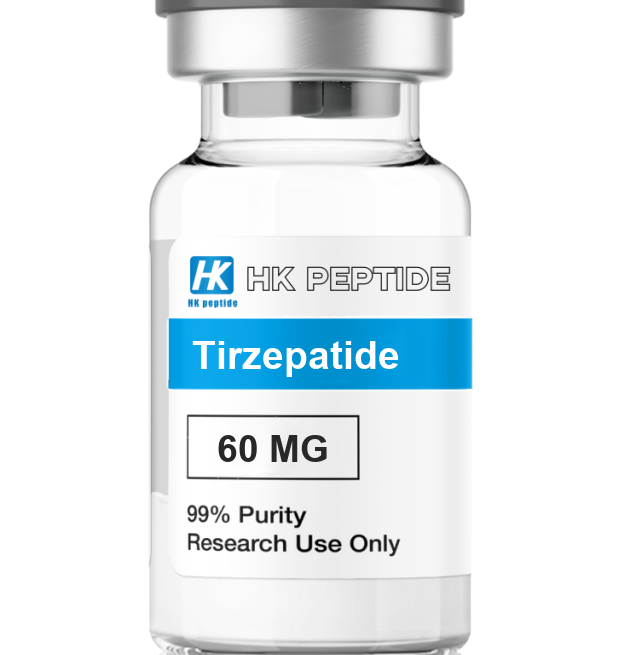
GLP-1 receptor agonists are among the most actively studied classes of research peptides. This overview explains the incretin pathway they act on and how the family has expanded from single to multi-receptor agonists.
The incretin pathway
Incretins are signalling molecules involved in glucose-related metabolic regulation. Glucagon-like peptide-1 (GLP-1) is a key incretin, and peptides that engage its receptor are described as GLP-1 receptor agonists. Research in this area focuses on how receptor engagement influences metabolic signalling in study models.
From single to multi-agonists
The research landscape has broadened well beyond a single receptor:
- Single agonist — semaglutide (GLP-1)
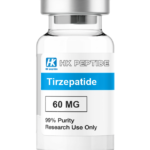
- Dual agonist — tirzepatide (GLP-1 + GIP)
- Triple agonist — retatrutide (GLP-1 + GIP + glucagon)
Comparing these side by side is a common research design, which is why matched, verified reference standards matter. Explore the weight-management research and peptide-blend categories.
Structure and stability
Many peptides in this family include engineering — such as fatty-acid modification — intended to improve stability in solution during a study. Their differing structures are reflected in distinct molecular weights confirmed on each COA.
Frequently asked questions
What is a GLP-1 receptor agonist?
It is a peptide that engages the GLP-1 receptor, part of the incretin pathway studied in metabolic research.
What is the difference between single, dual and triple agonists?
They refer to how many receptors a peptide engages — for example semaglutide (one), tirzepatide (two) and retatrutide (three).
Why compare these peptides as reference standards?
Comparative incretin research relies on verified, matched-purity standards so that differences in results reflect the peptides, not the material quality.
Every HK Peptide reference standard is HPLC-verified with third-party Janoshik lab reports available on request. Browse the full catalogue or view our certificates of analysis.
Research use only. This article is educational and written for laboratory and research audiences. HK Peptide reference materials are supplied strictly for in-vitro and other non-human research. Nothing here is medical advice, and none of these compounds are intended for human consumption or to diagnose, treat, cure, or prevent any condition.



We use cookies to improve your experience. By continuing, you agree to our cookie policy.
I AcceptYour Cart



All Categories
Search
HK Peptide
High-purity research peptides